


 Mango Festival
 Breakfast
 Chocolate
 Snacks
 Honey
 Nuts & Dates
 Grocery
 Super Foods
 Fruits & Vegetables
 Seasonal Fruits
 Fish
 Meat
 Dairy
 Pickle & Chutney
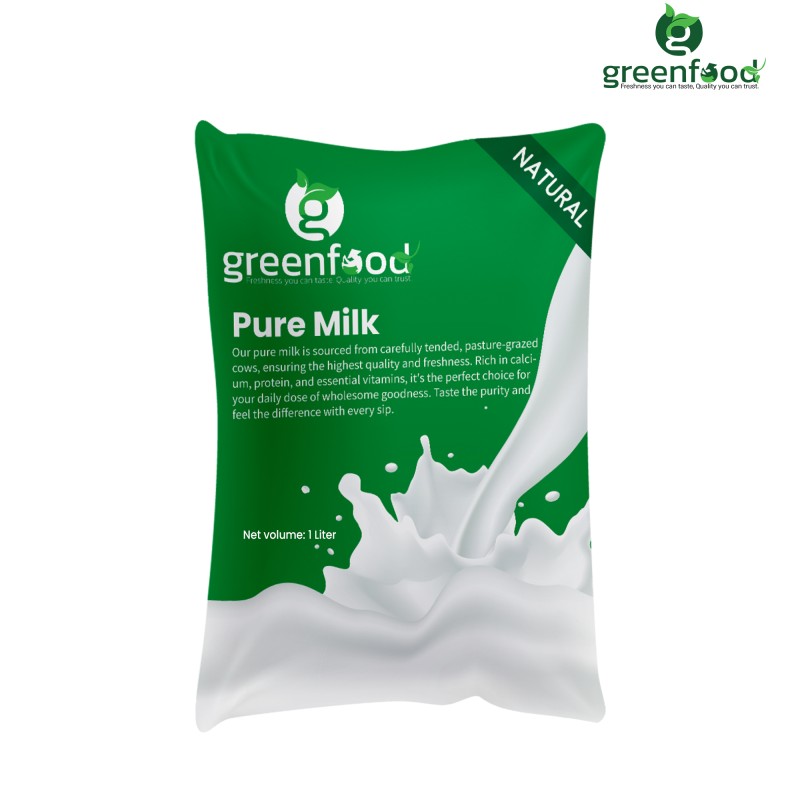
Pure Milk (1 Liter)
(0 reviews)
Price:
৳120.00
/1 liter
Milk is a nutrient-rich liquid that offers numerous health benefits.
We are delivering Pure Deshi Milk from Pabna directly to your address.

Share:
Consuming 1 liter of milk can provide substantial amounts of essential nutrients and contribute to overall health in several ways:
Rich in Calcium:
- Bone Health: Supports the development and maintenance of strong bones and teeth.
- Preventing Osteoporosis: Reduces the risk of osteoporosis, especially in older adults.
Protein:
- Muscle Growth and Repair: Provides high-quality protein necessary for muscle development and repair.
- Satiation: Helps in keeping you full, which can aid in weight management.
Vitamins and Minerals:
- Vitamin D: Enhances calcium absorption and supports immune function.
- Vitamin B12: Essential for red blood cell formation and neurological function.
- Potassium: Helps maintain healthy blood pressure levels.
- Phosphorus: Important for the formation of bones and teeth and helps in the body’s energy production.
Healthy Fats:
- Energy: Provides a source of energy and essential fatty acids.
- Absorption of Vitamins: Aids in the absorption of fat-soluble vitamins (A, D, E, K).
Hydration:
- Milk is about 87% water, which helps with hydration.
Aids Digestion:
- Contains lactose, which can promote the growth of beneficial gut bacteria, although this may not be beneficial for those with lactose intolerance.
May Reduce Risk of Certain Diseases:
- Studies suggest that milk consumption may reduce the risk of cardiovascular disease, certain cancers, and type 2 diabetes.
Weight Management:
- The protein and fat content can help regulate appetite and support a healthy metabolism.
Convenience:
- Milk is a versatile ingredient that can be consumed on its own or used in various recipes, making it easy to incorporate into a balanced diet.
There have been no reviews for this product yet.
Related products


Contact Info

Contact Info
- Address: 15 Kamal Ataturk Avenue (7th Floor), Road - 17, Block - C, Banani Dhaka - 1213 Dhaka, Dhaka Division, Bangladesh
- Phone: +8809611678080
- Email: info@greenfood.com.bd
About The Company
My Account
Subscribe


